Martin Lux: Class Warfare Is the Lifeblood of the Working Class
On May Day, International Workers’ Day, Chris Low traces the life of working-class militant Martin “Lux” Wright and shares a previously unpublished interview.
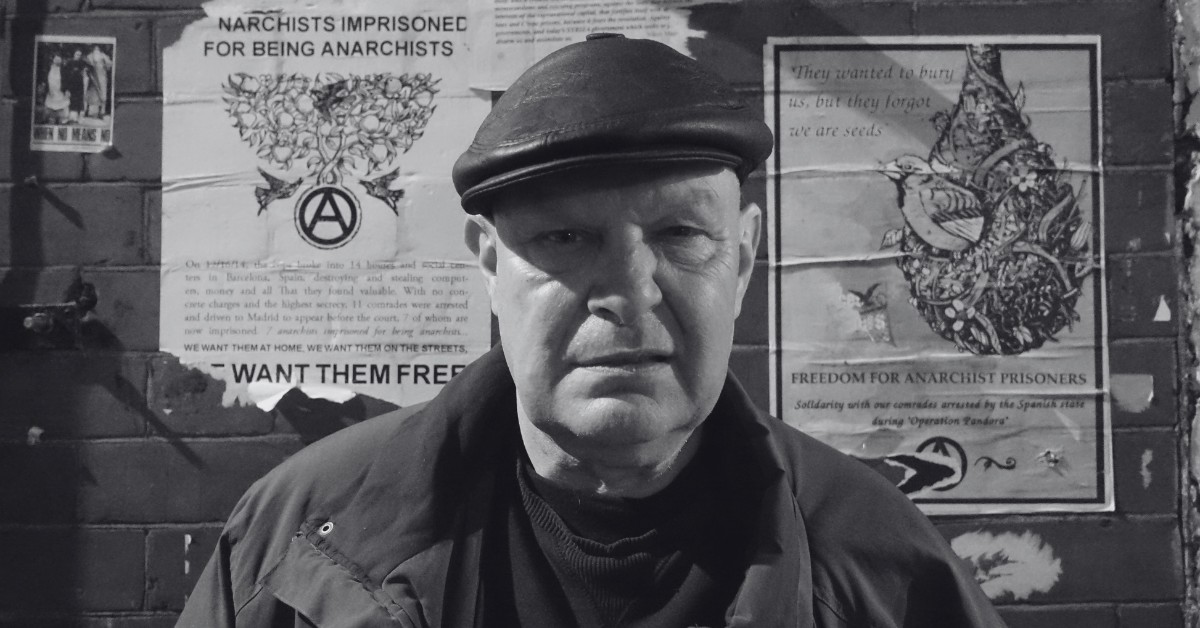
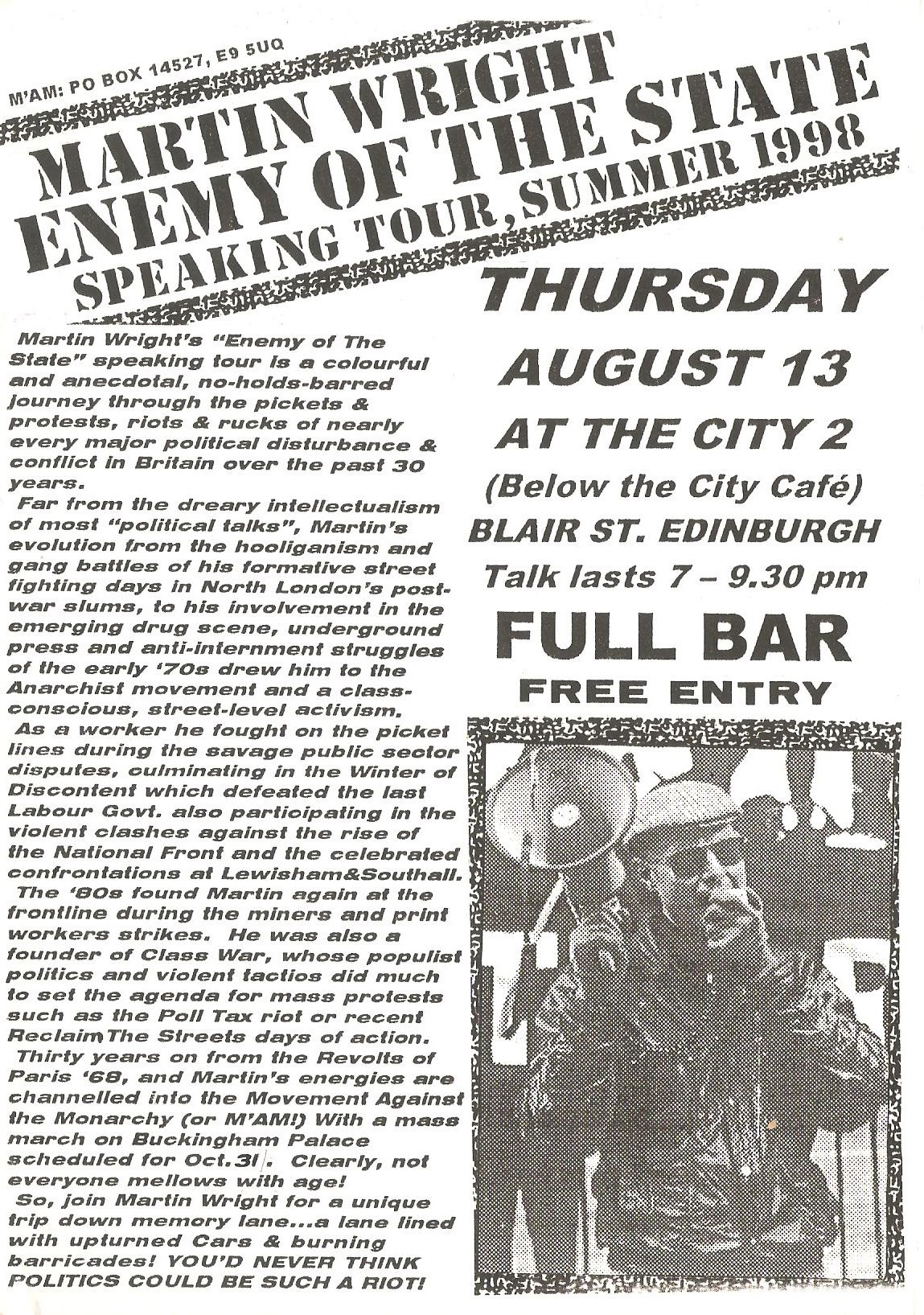
If there are two names synonymous with anarchism in the UK after Class War founder Ian Bone, the name Martin “Lux” Wright will surely come next. In fact, it’s safe to say that without Mart’s involvement with Class War since its inception in London, the movement would not have taken the same shape.
He brought something crucial to it. His sociological case-study “lumpen proletariat” credentials came from lived experience. He worked as a street sweeper, his father was an Irish labourer, and in the years I knew him he was often a street drinker outside King’s Cross Station.
This stood in contrast to Bone’s more cinematic upbringing as the son of a proud miner reduced to working as a butler for upper-class and aristocratic families. Ian’s hatred for the rich and privileged evolved from what he observed and experienced from inside their homes. Martin was born with a hatred for them. The only experience he had of their homes was robbing from them.
However, Mart already had a pedigree in anarchism long before his involvement with Class War. As he became drawn towards anarchism in the early to mid 1970s, he became a member of the Anarchy magazine collective and was a founder of the infamous London Autonomist heavy squad. They provided informal “security” at left-wing events likely to attract right-wing violence. He later wrote for the excellent anarchist paper Xtra!.
People often don’t believe me that the first time I met him, in the summer of 1983, he had long hair. I had just turned fourteen and was in London recording an EP for The Apostles. Even then he looked more like a thuggish doorman than a hippy, and had a reputation that matched his appearance.
At this time he was living in the notorious Class War nerve centre of Duncan Terrace in Islington. It was an utter madhouse. It had survived countless police raids and even a firebombing. Several foolhardy individuals who had incurred Martin’s wrath miraculously survived meat cleaver and hammer attacks. If they were particularly unlucky, they might end up thrown into the empty broom cupboard that had become home to a wasps’ nest. This was usually followed by a volley of missiles and plenty of screams once the door was slammed behind them.
Thankfully, I have managed to stay on Martin’s good side over the years and have even been his flatmate on two remarkably harmonious occasions, both lasting around a year.
The first followed the world’s shortest sub-let. I had moved down to London to take over his reprobate con-man and long-time heroin addict brother Danny’s council property. He fatally overdosed on heroin the evening he handed me the keys.
On the second occasion, while sharing Martin’s flat, at 6am one morning our front door was hydraulically blown off its hinges. Half a dozen armed police stormed in, overpowering Mart and pinning me, along with the unfortunate girl I had brought back from a club the night before, to the floor. He was cuffed and bundled away to be charged with police assault and theft. The charges were later dropped in court due to inconsistencies in the prosecution’s case. More remarkably, the girl still wanted to see me again.

I mention this simply because it illustrates what a colourful character Mart is, and what an eventful life he has lived. Far from emerging from university lecture theatres and meetings like many who have devoted their lives to radical politics, Martin’s evolution from the hooliganism, gangs, and criminality of his upbringing in the post-war North London slums drew him towards street-level activism and class struggle anarchism.
Unlike many of his peers, his attraction to the swinging sixties drug scenes and underground press was unapologetically hedonistic. Selling copies of countercultural papers Oz and Frendz, often liberated from the local radical bookshop, outside Pink Floyd and Jimi Hendrix shows at the Camden Roundhouse was invariably a cover for dealing hash and acid. His attendance at the legendary 1969 Rolling Stones Hyde Park concert following Brian Jones’ death was, by his own admission, simply to fight with bikers “and anyone else who wanted it”.
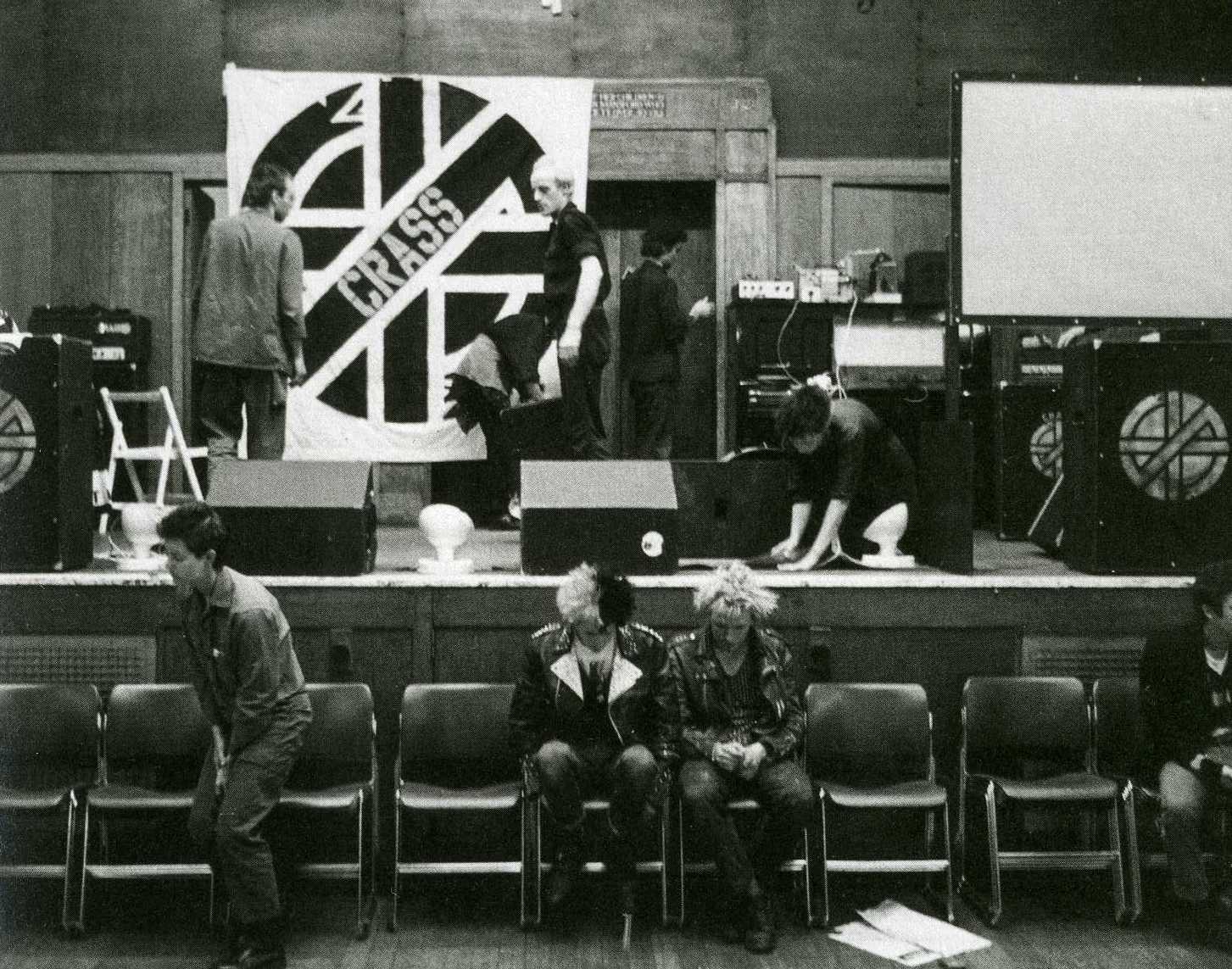
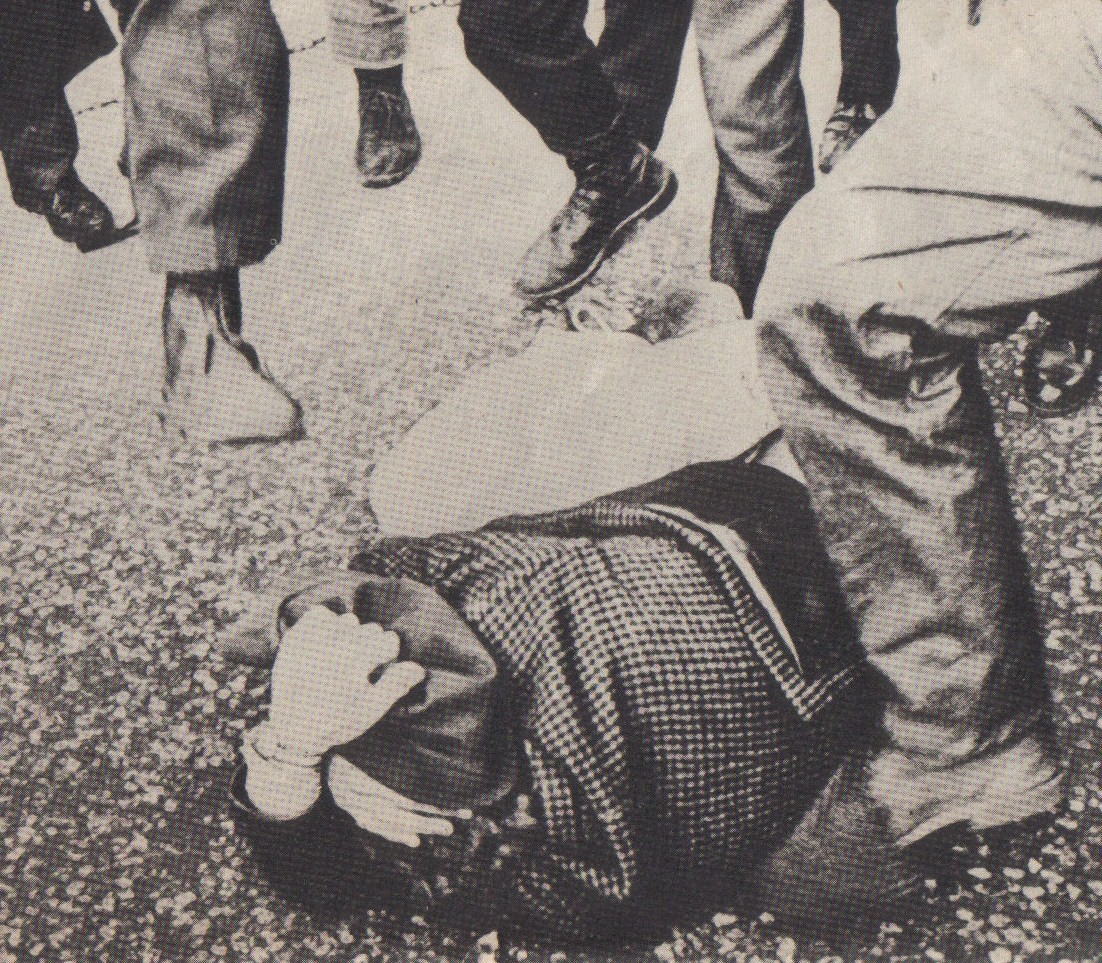
As an unskilled factory worker in the early seventies, he fought on picket lines during the savage public sector strikes. He participated in protests against the internment of Republicans in Northern Ireland. He was also a protagonist in violent clashes, street fights, and confrontations with the National Front, British Movement, and other white supremacist organisations active at the time. Most famously, in relation to anarcho-punk, Martin was on security at the door and active in the ferocious response when fascists attacked the Crass and The Rondos gig at Conway Hall in September 1979. Accounts of these and many other incidents were later published in his no-punches-pulled memoir Anti-Fascist, released by Phoenix Press in 1990.
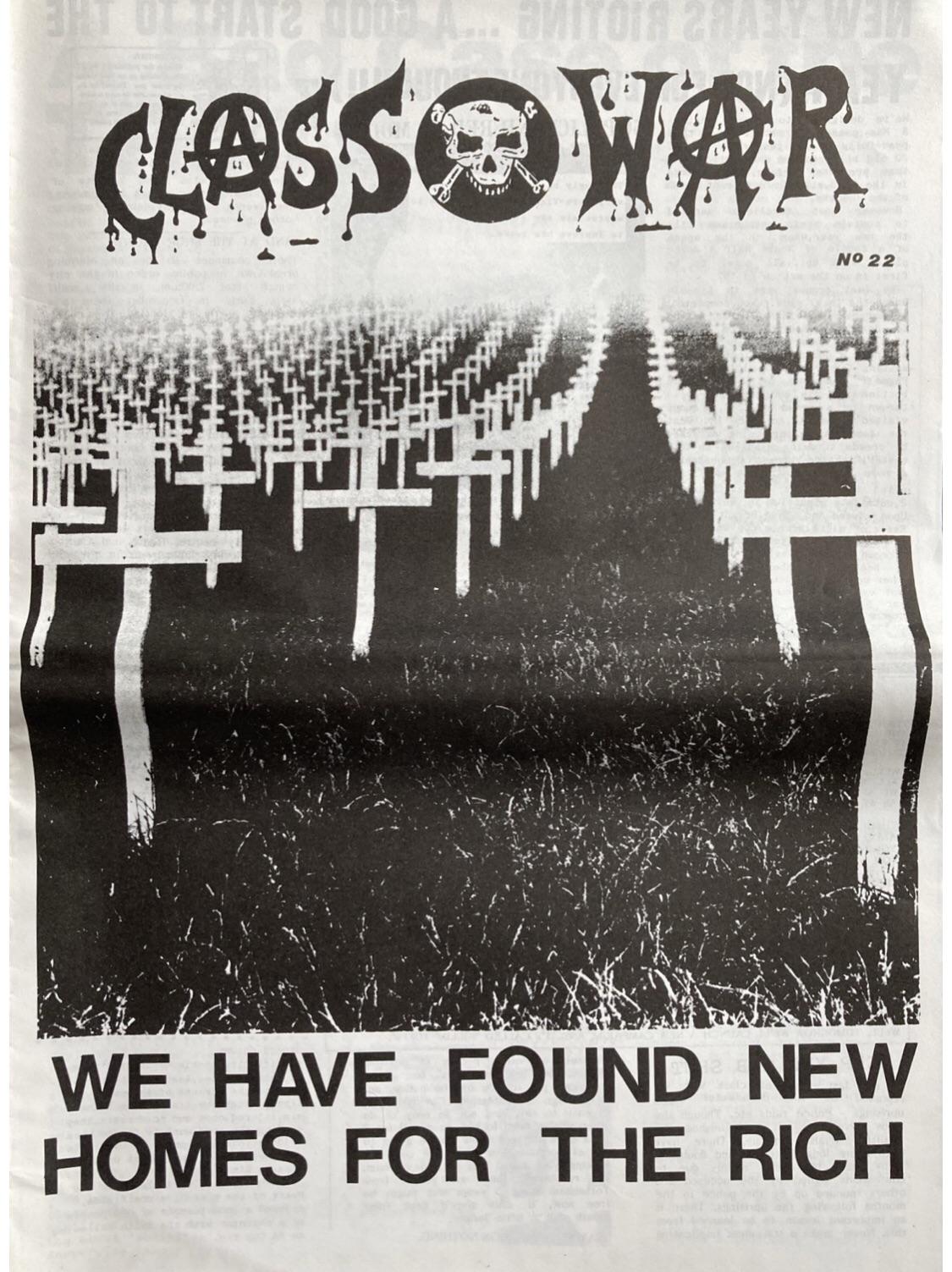
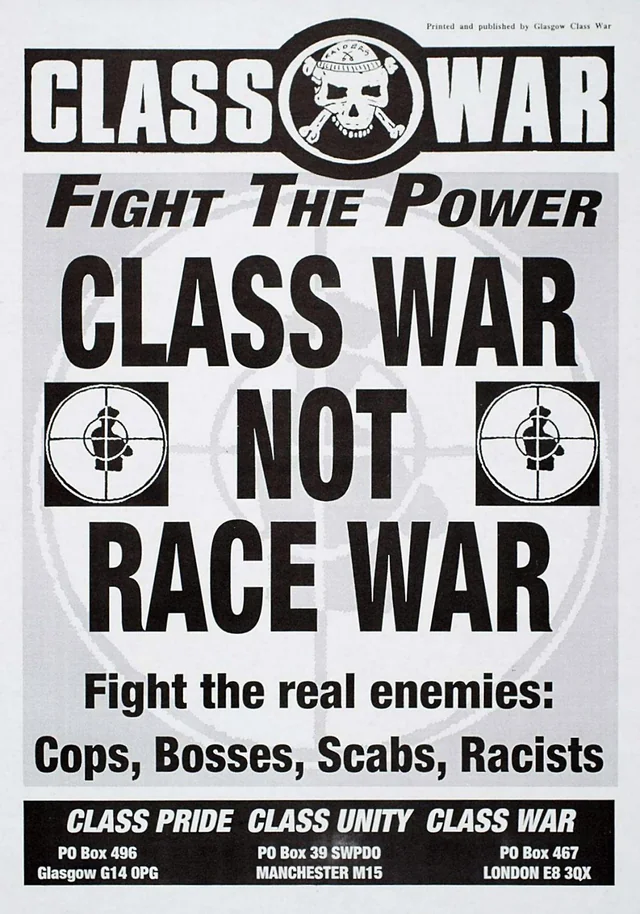
The eighties saw Martin again on the frontline during the miners’ and printworkers’ strikes. He also became a founder member of Class War, the incendiary anarchist paper and movement which propelled class-conscious revolutionary anarchism into the front pages and onto television screens. Class War’s uncompromising politics, populist approach, and situationist-inspired actions helped create the climate from which Stop the City, Reclaim the Streets, and later anti-globalisation protests would emerge.
Though now well into his seventies, Mart certainly has not mellowed with age, and it is hard to imagine he ever will. He even managed to scare off a life-threatening cancer. Despite our sizeable age difference, he has been like a brother to me for all the years I have known him, and is one of the few people I would genuinely trust with my life.
So I could not think of anyone with more experience and insight to ask what class, and class war, mean for the world today.
Class Warfare: The Lifeblood of the Working Class
An unpublished Martin Lux interview, originally conducted by Chris Low for Gata Negra anarchist paper.

So, Martin, what does class warfare mean to you today?
Class warfare is the very life-blood coursing through the veins of the working class, and it can be seen in every strike, demonstration, and insurrection that continues around the world today, just as it has done for hundreds of years. Despite what the middle and upper classes might like us to believe, the working class still exists, and if anything is increasing in size to include those not traditionally recognised as such by Marxists, including the unemployed, the homeless, slum dwellers, labourers, farm workers, pensioners living on a pittance, and poverty-stricken people trying to survive in every city on the planet.
And where does this class warfare manifest itself?
Class warfare is the worldwide stage of the working class, even though the nature of production has shifted further out of their grasp and control through outsourcing and global expansion. The working class may have changed in composition, as many no longer work with their hands but in offices, call centres, canteens, hotels, and shops, often as poorly paid staff or clerical workers. Whether they recognise themselves as working class or not, they are, because they do not own or control the means of production and remain controlled by the rich and powerful.
How do you think the position of the working class differs today compared to the past?
The working class has less representation now in the arts, in the media, and especially in politics than it ever has. They are more removed from political power than ever, as the politicians they can elect do not represent their interests but those of the state, whose function is to ensure the system continues to operate smoothly and profitably for the capitalist class.
Does the working class still have what was once termed “workers’ muscle”?
Yes. Despite their lack of representation in parliament or trade unions, the real power of the working class is far from diminished. It can be seen in struggles across the world, from small farmers in India to slum dwellers in Haiti. Wherever there is social conflict, it is generally the working class against the establishment, whether through strikes, riots, or confrontation in the streets.
Would you agree that today’s politicians, whether right or left, seem reluctant to engage with the working class?
The working class today is ignored, bypassed, belittled, ridiculed, and demonised by the establishment, and often by the same left-wing politicians and media who claim to represent them. In the West, they are frequently portrayed as reactionary or right-wing, which ironically pushes many towards the right, as at least it acknowledges their existence. This allows right-wing politics to manipulate fears around immigration and employment for its own ends.
So what is the answer?
The only answer, as it has always been, is for the working class to forge its own identity and act for itself, with the aim of confronting and overthrowing the capitalist system. Otherwise, it will become further marginalised and increasingly impoverished, while the planet itself continues to be treated as a commodity to be exploited. As an anarchist, I do not believe any meaningful change can come through leaders, politicians, or political parties, but only through people rising up against the system that governs and exploits them. This remains the only hope, both for their future and for the survival of the planet.
Long may he remain an enemy of the state.


