PISS – you made me / skin on linen
Nightmarish and harrowing: a difficult yet crucial listen.
As debut albums go, this is quite something. While you might have always expected a noise-rock-art-punk band called PISS to be angry, it’s not until you really listen to you made me / skin on linen that you’ll wholly realise just how true that is. No-one can really prepare you for its complicated rage, but that’s what makes it so impactful.
The Vancouver four-piece jokingly define themselves as “easy listening”, and although the easily led will be in for quite the shock, their material stretches far beyond traditional noise rock (if there is such a thing), stitching together elements of punk, manic poetry, ambient sound, performance art and vocal excerpts into an artistic collage: much like the format of the album cover itself. With themes highly personal and political, the record tackles sexual violence, objectification, the threat of normalised toxic masculinity and rape culture.
PISS take inspiration from a whole host of varying worlds, including “literary giants, philosophers, filmmakers, psychoanalysts, activists, children and members of a German anarcho-feminist militant group.” Featured throughout the record, the represent differing beliefs, requiring a considerable level of discomfort to fully process. According to PISS’s creative lead, Taylor Zantingh:
I wanted the samples to provide a wide range of perspectives on the issue of violence. Only because I don’t have the answer. Nobody, I think, has every single piece, because the problem affects every individual person.
Three of the fifteen tracks were released as singles, prior to the October album release, though none stand so clearly on their own as they do in the complete tracklisting, with the record resembling a linear yet cluttered cycle of varying emotions.
The intro track is a brief, haunting ambience of echoed playground chatter, littered with the voices of young boys revealing their professional dreams. Astronaut, artist and football player are just some of the roles mentioned, though a final child’s voice is cut short, before abruptly launching into “i wanted to be a singer”.
The tone sways from Tyler Paterson’s singular guitar line to angry walls of fuzz, paired with Garreth Roberts’ relentless cymbal smashing. Zantingh’s staggered, off-kilter rhythm reminds, at times, of Patti Smith. Her vocal delivery proves it can do tender and fragile, but also produce some of the most blood-curdling screeches and furious shrieks of anger that you’ll ever hear.
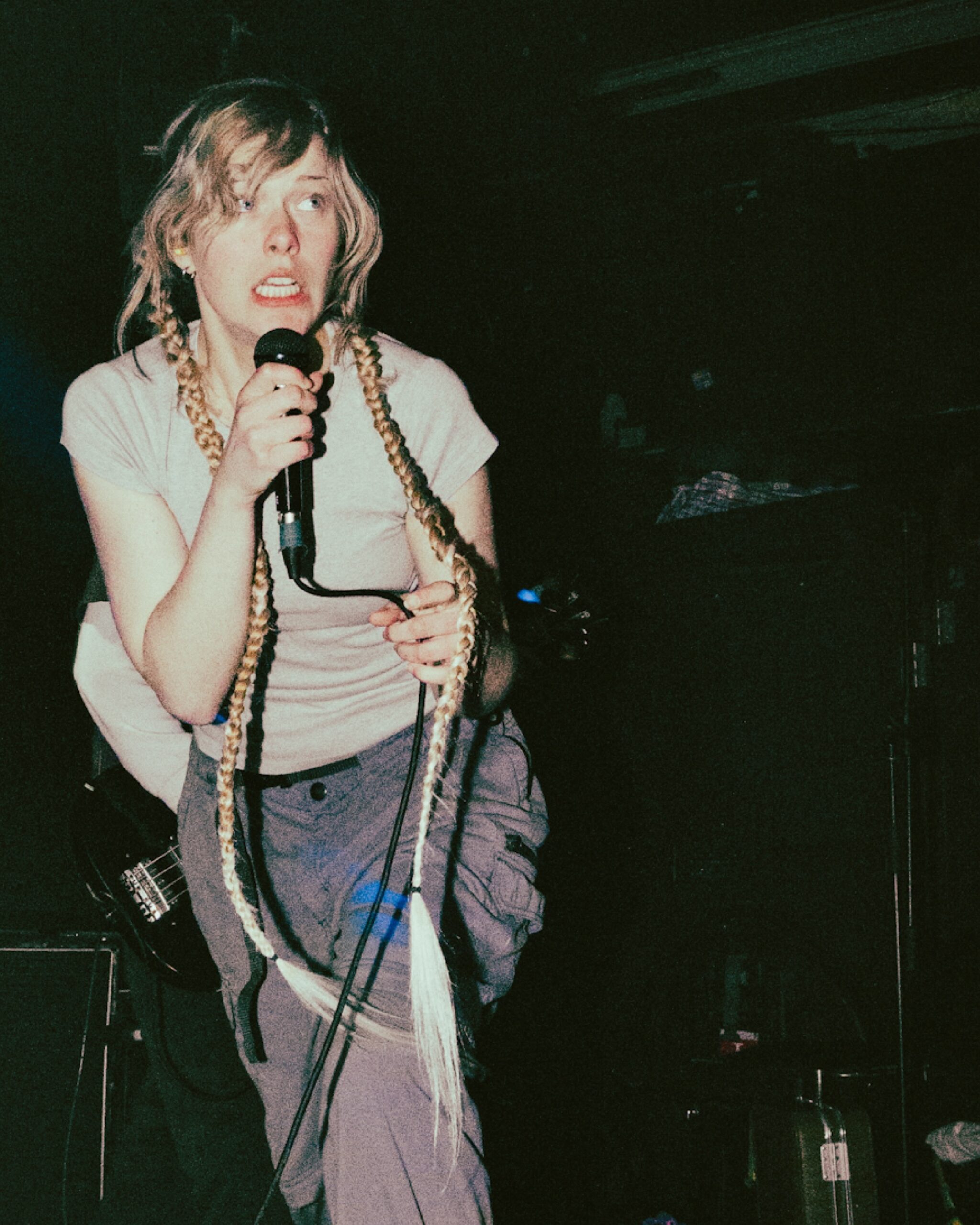
Lyrics discuss being hopeful, loving life and wanting romance, prior to experiencing trauma. Then, there’s dealings with not being listened to, victim blaming and the perceived need to turn suffering into something “useful” or “beautiful”. It also hints at the contradiction that women “should” be pure and powerless, yet are blamed for crimes against them when that power imbalance is exploited by men.
Short snippet tracks are just as fundamental to the difficult but essential listening experience. The speaker in both “andrea I” and “andrea II” is militant, anti-pornography feminist Andrea Dworkin, recorded in 2002, on female objectification and how rape culture and toxic masculinity’s severity is diluted by society:
As a form of entertainment, (…) women are raped, violated and humiliated until we discover that we like it. And at that point, we ask for more.
Discussing rape prevention, Dworkin advocates violence where the law doesn’t work. It resonates more than ever today, where multiple notable cases involve perpetrators lurking behind positions of authority.
“time loop at hot slit” is a driving track, with heavy barrages of guitar in stop-start pacing; mirroring the war between Zantingh’s emotionally exhausted, breathless vocals and her frenzied rage. With more nods to Dworkin, it explains how women, right from birth, are taught to serve men—from filtering and making apologies for themselves, to cosmetic enhancements and submitting to coercion.
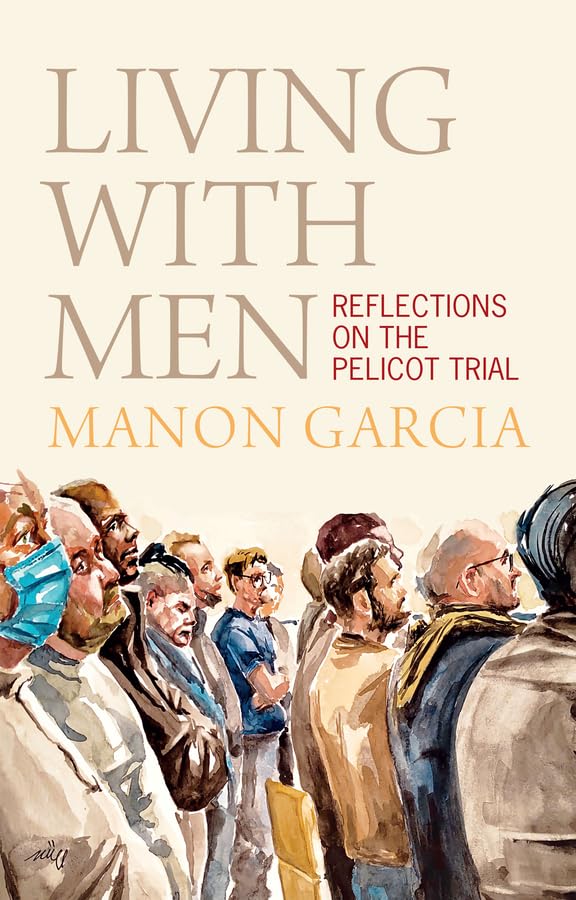
Other excerpts come from Manon Garcia, a French contemporary philosopher, who attended and later wrote about the 2024 rape trial of Gisèle Pelicot (who was repeatedly drugged and raped by her ex-husband and approximately forty-seven other men). The title of Garcia’s book, Living With Men, prompts the track’s repeated questioning of “How can we live with men?”, reminding that an offender can often appear respectable and look like the “good guy”.
The heart-wrenching “a little girl’s horse craze betrays her” is a brief but furious noise-rocker. Just the title suggests immediate sexualisation from a young age, with the track detailing the consequent want for “a way out of my body”—to escape the objectification, pain, limitation and danger.
It leads straight into “toni” (so-called after American novelist Toni Morrison, who, in this clip, is talking in 1988 to presenter Mavis Nicholson), a glitched and eerily haunting track. Morrison claims that “If you feel the real thing, which is shame, hatred, humiliation, and self-loathing, that is the door, and if you get through that, then you can forgive yourself.” It’s a turning point on the record, giving us some amount of hope.
“how can you act opposite to this emotion?” makes us fuming again, concentrating on all physical and emotional trauma being the victim’s burden to eternally bear. The staggered, wall-of-noise soundscape accompanying the manic title chants spirals to a fuzzy, distorted end, before a breathless quiet reveals fragile hints of fear and desperation in Zantingh’s tone.
The ultimate spotlight goes to “blocking a scene you can’t remember”. Its slowed, sombre start graduates into a poetic, screenplay description of a scene where a girl lies in her bedroom, consumed by thoughts about something distressing that happened to her.
The phrase “cut, again” is used to interrupt and mark the starting over of various lines, getting frantically more startled and maddened—and eventually flowing into the broken sentences themselves: “How each night, you—cut, again / How each night, you waited for me to leave / So you could—cut, again / How each night, you waited for me to leave / So you could be alone with my body”. Escalating with graunchy guitar and crashing drums, the end subdues to tragically repeat the opening line, proving nothing has changed.
The vehement “self-blame with thorn necklace and hummingbird” references women’s subjection to the male gaze, sexual objectification, and violation throughout time; even in portrayals of revered mythical Goddesses. With that in mind, Zantingh tells women to stop believing they could have changed events by doing something differently: “You could have lived in any time, in any body / You could have chosen any dress to wear for him”.
Elsewhere, “vikki” (named after Canadian community activist Vikki Reynolds) explores upbringing as the true source of blame: “Our boys are being raised in a rape culture, and then we’re individually holding them responsible as if they invented misogyny. They didn’t invent misogyny, they’re swimming in it. (…) All our suffering is connected (…), our paths to liberation are connected with each other.”
Although you might easily mistake Reynolds for a male apologist here, it stems back to Zantingh’s earlier quote about the problem of sexual violence affecting society as a whole.
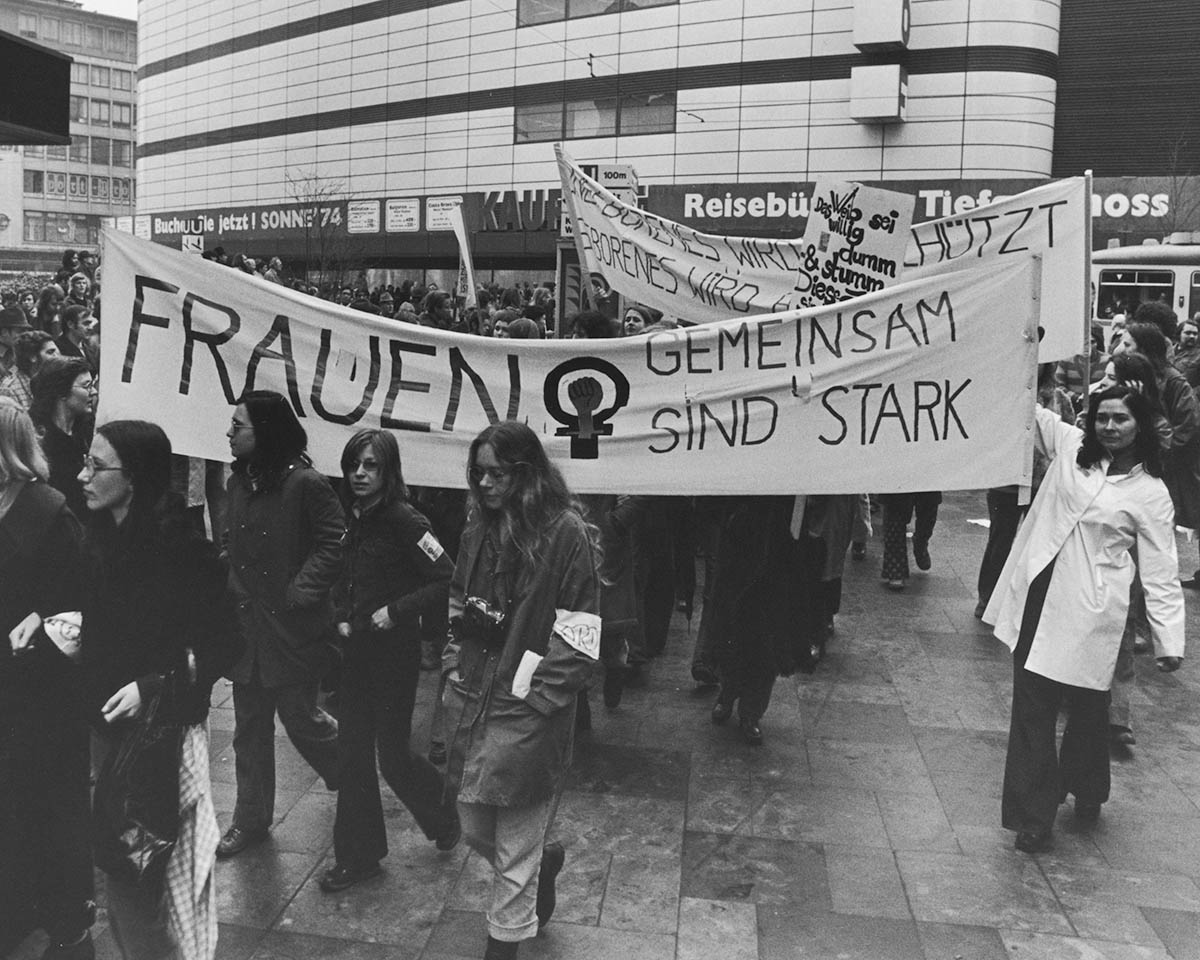
Picking us back up again, just as we need it, is the track “Rote Zora. ‘Resistance is Possible.’ Emma, no. 6, June 1984, pp. 39-41.” Rote Zora were a West German, far-left feminist group, and, in keeping with their vigour, PISS deliver an in-yer-face attack on gender imbalance.
Chunky riffs drive us forward, introduced by deadpan spoken-word intervals between screams and cavernous distortion: “Why doesn’t it have a scare away effect if a guy sells women / But it does if his car burns?” It’s one of the first tracks that fully expresses what women are capable of, forcefully hitting back at the assumption that they’re just submissive victims—yet still shedding light on the risk their assigned gender carries: “As every act of violence against one woman / Creates an atmosphere of threat against all women”.
Closing out, “i keep trying to change the ending” has an unsettling beginning that musically represents distress paired with melancholy. Quickly devolving into an explosive din, thumping drums swell to imitate a terrified heartbeat. Even when it mellows, it doesn’t feel fully comfortable—echoing women’s safety throughout history. The line “I won’t bleed forever” feels like a coping mechanism, or some sense of imagined resolution to either end things or minimise pain.
It’s a harrowing listen. Lines like “I just wanted to feel safe in my body” and “This is not a song, it’s self-harm!” stay with you long after the record ends. It’s not background music; these aren’t songs, as such, they’re more like audible diaries and chaotic inner thoughts that some have the privilege of never experiencing.
The sad thing is that, as long as misogyny is alive, it still won’t change everyone’s mindset. Regardless, you can sense just how much work this took, and it has paid off, as Zantingh mentioned last month: “A lot of people are looking for a sense of purpose, (…) a happy ending. But when you commit yourself to working on something that matters to you, the ending doesn’t matter as much.”